
Each year, the Occupational Safety and Health Administration (OSHA) releases its list of the most frequently cited workplace safety violations.
And each year, many of the same hazards appear again.
OSHA’s most common violations reveal where workplace safety programs often break down. That consistency highlights an important truth: most violations don’t happen because employers ignore safety—they happen when training gaps, unclear processes, or everyday routines allow risks to go unnoticed.
For employers, OSHA’s most cited violations offer more than just a list of regulations. They provide valuable insight into where safety programs can break down—and where improvements can have the greatest impact.
OSHA violations occur when a workplace fails to meet established safety standards. These violations can range from missing safety training and inadequate protective equipment to unsafe working conditions that increase the risk of injury.
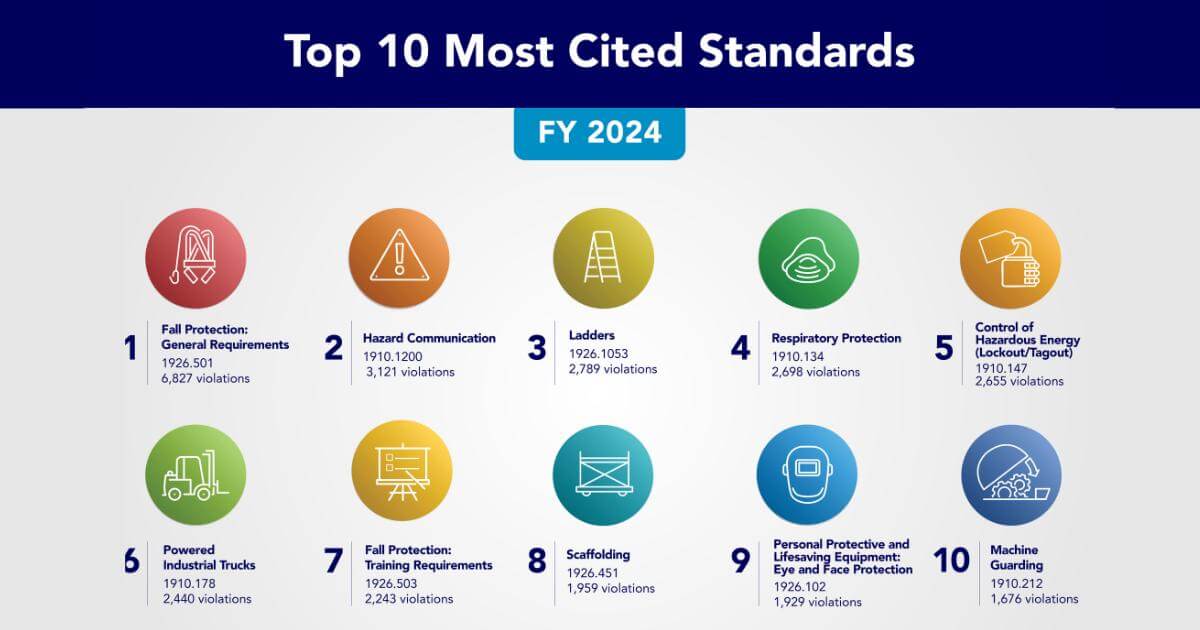
The Most Common OSHA Workplace Violations
While the exact rankings can shift slightly from year to year, several hazards consistently appear near the top of OSHA’s list. These violations highlight common safety risks that, if not addressed, can lead to serious workplace injuries.
- Fall protection
- Hazard communication
- Respiratory protection
- Ladders
- Lockout/tagout procedures
- Powered industrial trucks (forklifts)
- Scaffolding
- Machine guarding
- Eye and face protection
Together, these hazards represent the most common OSHA violations cited across U.S. workplaces each year, with some of the most common safety risks across construction, manufacturing, warehousing, and industrial environments.
According to the National Safety Council, the continued presence of these violations highlights the need for ongoing education, training, and awareness across workplaces.
What These Violations Tell Us About Workplace Safety
Although the hazards themselves vary by industry, many OSHA violations share similar root causes:
- Workers are unfamiliar with safety procedures
- Training hasn’t kept pace with changing job responsibilities
- Safety practices become inconsistent over time
- New employees are learning on the job without proper guidance
Even organizations with strong safety programs can face challenges when workloads increase, teams grow quickly, or new workers are introduced into unfamiliar environments.
The takeaway isn’t simply that regulations exist; it’s that consistent safety awareness and training are critical to preventing injuries before they happen.
Why Safety Training Before Day One Matters
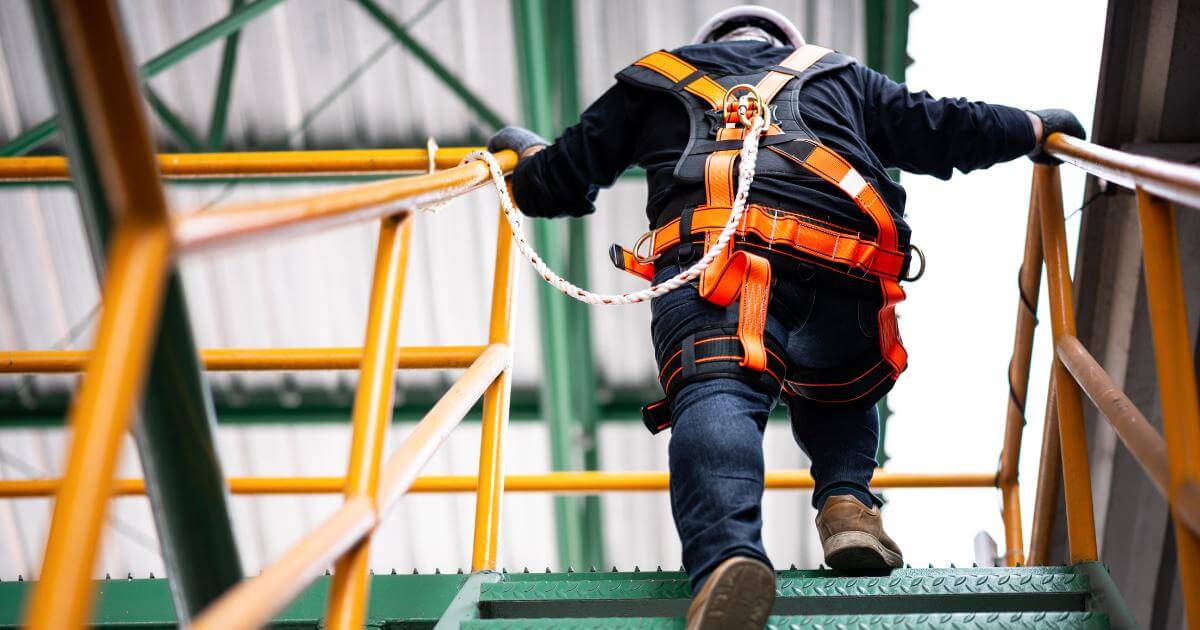
One of the most effective ways to strengthen workplace safety is ensuring hazards are identified and addressed before workers ever step onto a job site.
Many members of Bonney Staffing’s team have completed OSHA-10 workplace safety training, which helps us recognize potential hazards sooner, understand safety procedures, and better evaluate job environments before placing workers on site.
For employers, that proactive approach can make a meaningful difference.
When potential risks are addressed early, companies reduce the likelihood of workplace injuries, workers’ compensation claims, OSHA citations, and costly operational disruptions—while creating a safer environment for everyone on site.
Safer Workplaces Are More Productive Workplaces
Workplace safety is often viewed as a compliance requirement, but its impact goes far beyond meeting regulations.
A strong safety culture leads to:
- fewer workplace injuries
- reduced OSHA citations
- improved employee morale
- less downtime from incidents or investigations
- greater overall productivity
When workers feel confident in their environment and understand how to work safely, the entire operation tends to run more smoothly.
Safety isn’t just about preventing accidents—it’s about building a workplace where employees can perform at their best.

Turning Safety Awareness Into Action
OSHA’s most frequently cited violations serve as an important reminder that workplace safety requires ongoing attention. Even experienced teams benefit from regular training, clear procedures, and consistent communication about hazards.
By paying attention to the patterns behind OSHA’s most common violations, employers can identify safety gaps earlier and strengthen the systems that protect their teams.
At Bonney Staffing, safety is a core part of how we support our clients and the workers we place. Our team’s OSHA-10 workplace safety training helps us recognize potential risks, understand site conditions, and work with employers to maintain safer work environments.
When workers arrive prepared and safety-minded, everyone benefits: employees, employers, and the New England communities we serve.