
Here’s something nobody wants to explain to HR: a preventable injury that happened because a procedure existed on paper but not in practice.
Warehouse injuries are expensive, disruptive, and in most cases, entirely avoidable. The Bureau of Labor Statistics consistently ranks warehousing and storage among the industries with the highest rates of nonfatal occupational injuries and illnesses.
That’s not a fluke. It’s a reflection of what happens when operations move fast, margins are tight, and safety protocols don’t keep up.
For employers, the goal isn’t just staying off OSHA’s radar. It’s building an environment where your team — including the new hire on day three and the temp worker placed last Tuesday — knows what’s expected, understands the risks, and has a legitimate shot at going home in the same condition they arrived.
This guide covers the hazards that cause the most damage, the rules and procedures worth putting in writing, and how to build a warehouse safety program that actually gets used.
OSHA’s General Industry Standard for Warehouses
Warehouse operations fall under OSHA’s 1910 General Industry standard. Whether your facility manufactures, stores, or distributes products, this standard applies. It covers everything from equipment operation to hazardous material handling.
The roles most commonly exposed to safety risk under this standard include:
- General laborers and stock movers
- Stock clerks, pickers, and packers
- Powered industrial truck (forklift) operators
- Shipping, receiving, and traffic clerks
One thing worth understanding before diving into specifics: most warehouse OSHA violations don’t come from employers who don’t care. They come from training gaps, inconsistent enforcement, and processes that haven’t been updated since someone wrote them in 2011.
The fix is usually systematic, not dramatic.
10 Common Warehouse Safety Hazards (and How to Address Them)
These aren’t hypothetical risks. They’re the hazards OSHA sees most often in warehouse environments; the ones that show up in incident reports and violation citations year after year.
For each one, we’ve included practical steps employers can take to reduce risk.
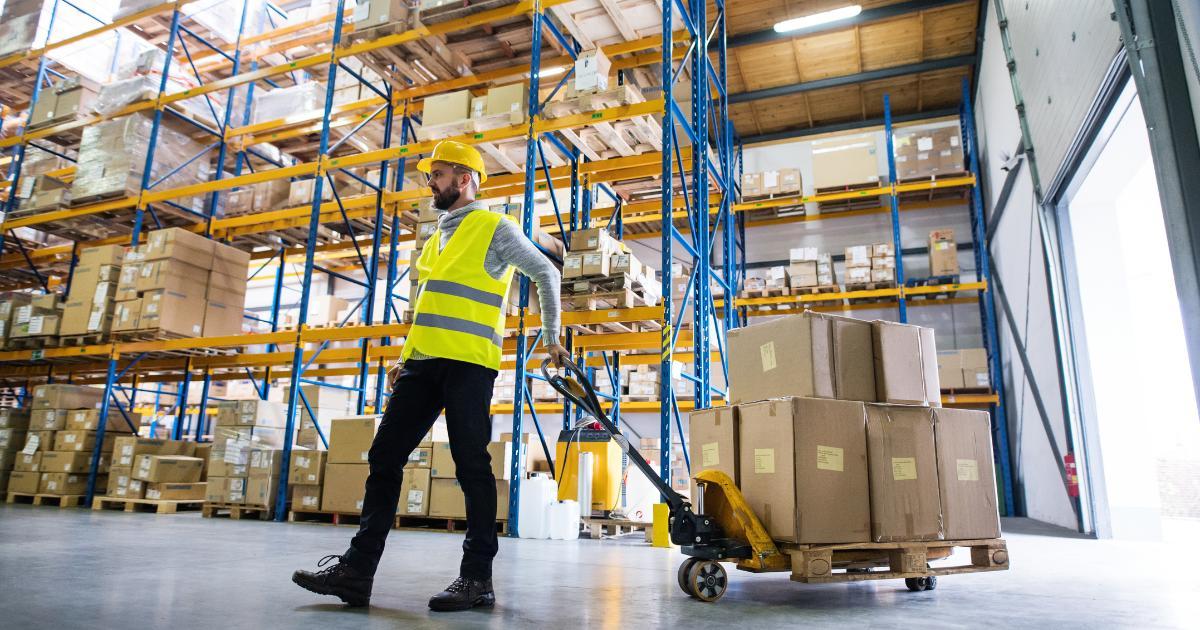
1. Forklift Safety
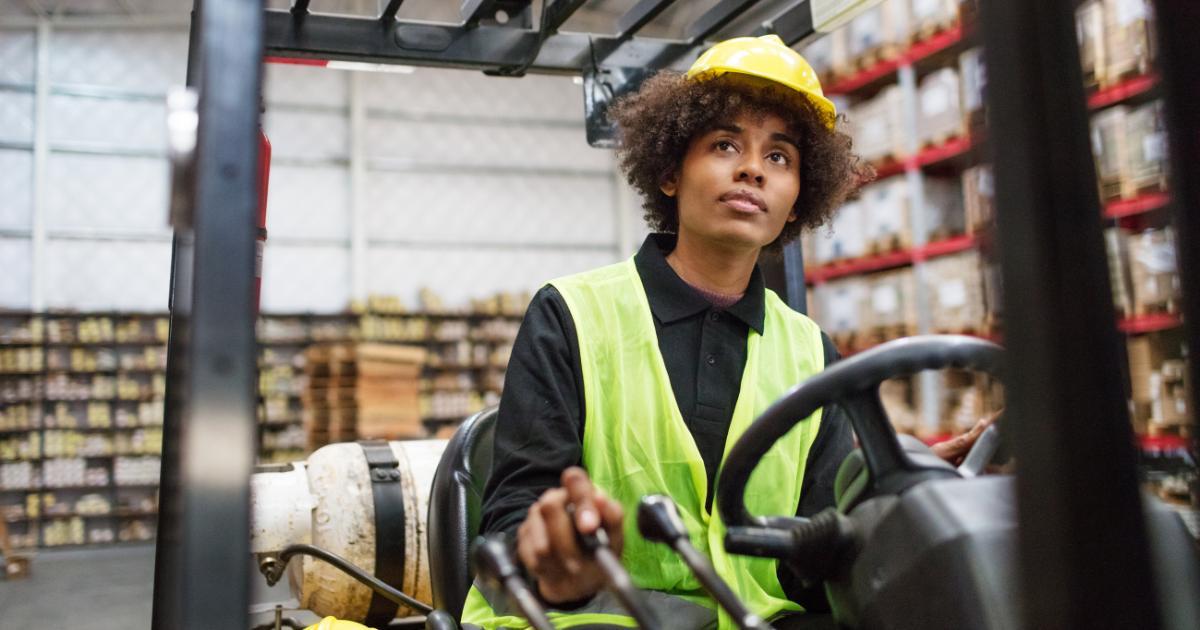
Forklifts are responsible for roughly 85 fatal accidents and nearly 35,000 serious injuries in the U.S. each year. They’re also one of the most normalized pieces of equipment on any warehouse floor, which is exactly where the risk lives. Familiarity breeds complacency; and complacency with a 10,000-pound machine tends to end badly.
- Require certification: Only trained, certified operators get behind the wheel. No exceptions for “just this once.”
- Pre-shift inspections: Brakes, tires, forks, hydraulics get checked before every use, logged every time.
- Separate pedestrian and vehicle paths: Mark them clearly. Then enforce the separation like it matters, because it does.
- Respect load limits: Exceeding capacity is one of the most common causes of tip-overs, and one of the most preventable.
2. Loading Dock Safety
The loading dock is where a lot of things converge at once: trucks, forklifts, foot traffic, and urgency. That combination produces a consistent pattern of falls, struck-by incidents, and crush injuries. Most follow the same few failure points.
- Guardrails and barriers: Install them at dock edges. Dock falls are not the kind of thing you address reactively.
- Wheel chocks: Non-negotiable. Trucks move. Chocks prevent that.
- Keep it clean: Debris and wet surfaces in a high-traffic, high-speed zone are a liability waiting to activate.
- Train on dock procedures: Entry and exit, positioning around truck bays, and what to do when a truck arrives before you’re ready.
3. Conveyor Safety
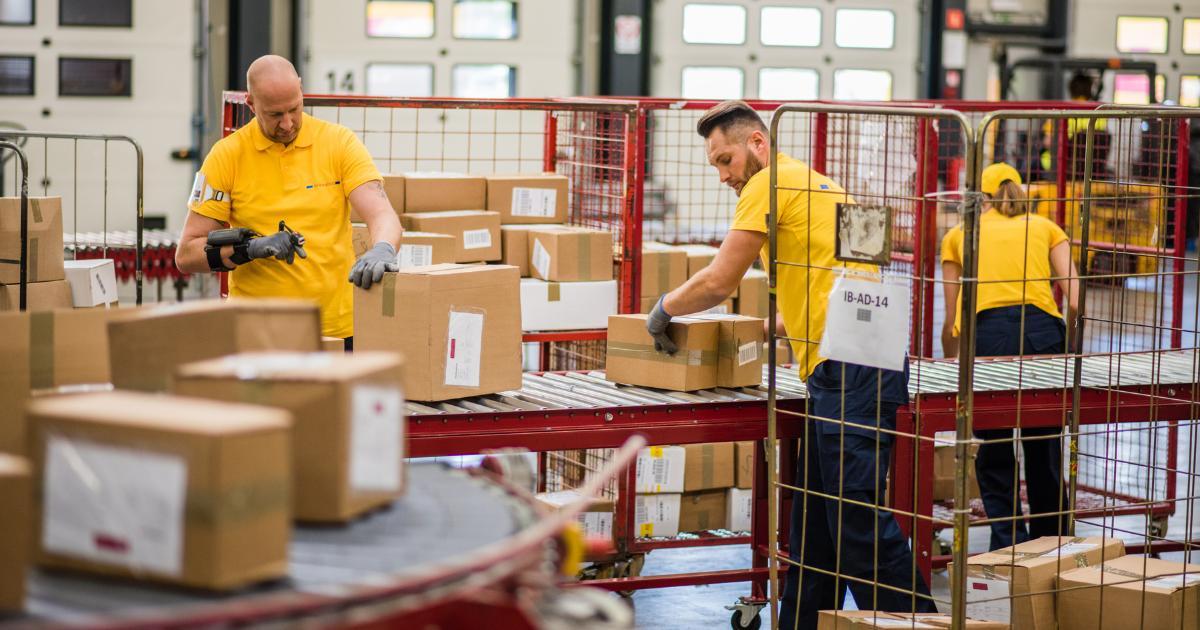
Conveyors don’t take breaks, and they don’t stop for someone who gets too close. Caught-in and struck-by injuries on conveyor systems are often severe and often happen to workers who’ve been doing the same job for months without incident (right up until the moment they haven’t).
- Emergency stops: Mark them clearly. Train every worker on their location before they work near the line.
- Machine guards: Install them on all moving parts and inspect them regularly. A guard that gets removed for maintenance and never replaced is worse than no guard at all.
- Regular inspections: Belts, rollers, pulleys — find problems on your schedule, not the equipment’s.
- Restrict access: Trained employees only. This is one of those rules that sounds obvious until someone ignores it.
4. Hazardous Material Safety
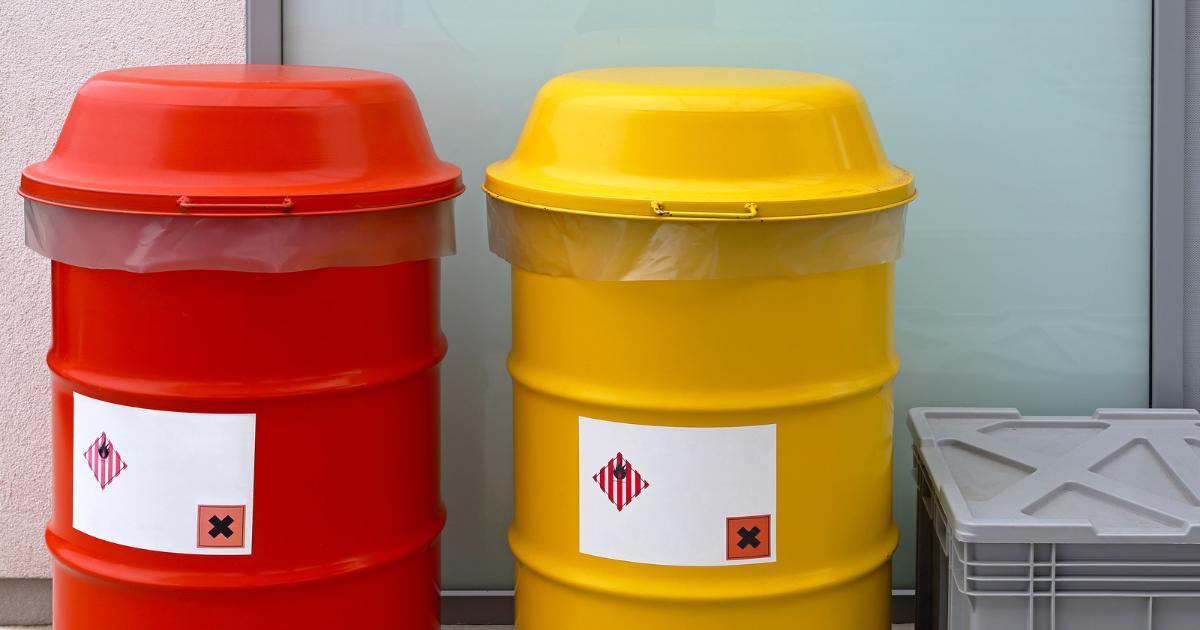
Hazard communication violations are perennial OSHA Top 10 material across industries, and warehousing is no exception. Unlabeled containers, missing Safety Data Sheets, and workers who’ve never been shown how to read either — these are the gaps that get employers cited and workers hurt.
- HAZCOM program: Not a folder in a drawer. An actual, implemented Hazard Communication Program that meets OSHA 1910.1200.
- SDS training: Workers should be able to identify a hazardous material by label and know what to do with it before they’re handling it.
- Proper storage: Labeled containers, adequate ventilation, correct segregation. The details matter here.
- Spill kits and response drills: Having a kit on the shelf is table stakes. Knowing how to use it before something spills is the actual goal.

5. Manual Lifting Safety
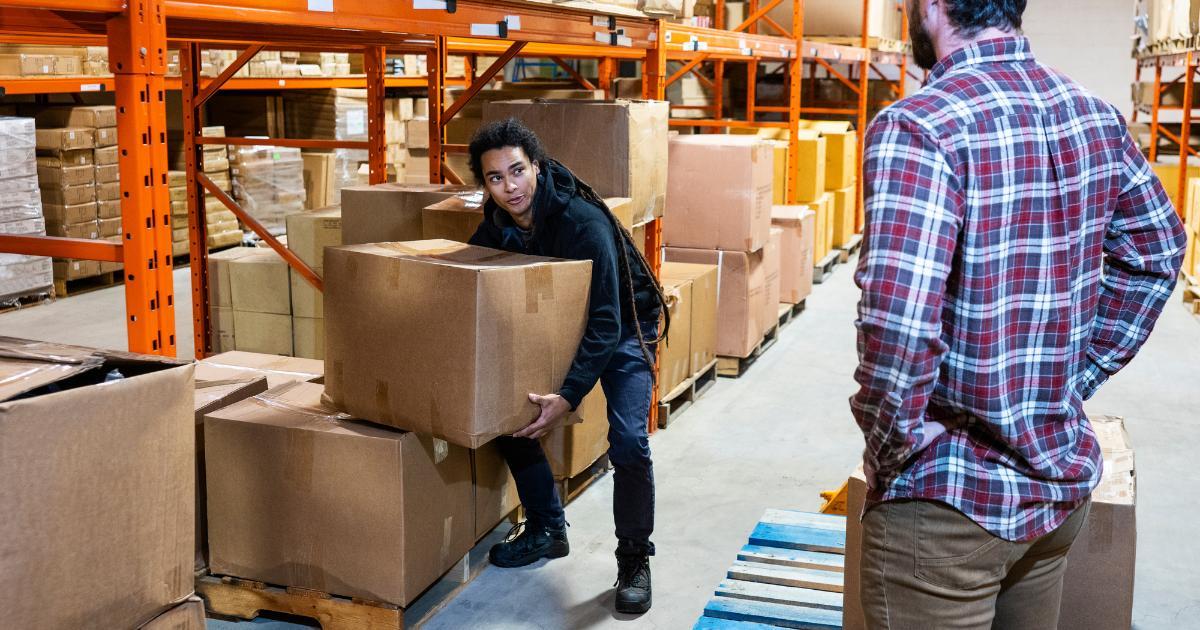
Sprains, strains, and hernias from improper lifting are among the most common (and most underreported) warehouse injuries. Workers push through back pain until they can’t, and by then you’re looking at a workers’ comp claim and a staffing gap.
Overexertion is the leading source of lost-time injuries in distribution environments, and it’s almost entirely preventable with the right habits and equipment.
- Proper technique: Legs, not back. No twisting while carrying. This needs to be trained, not assumed.
- Default to mechanical assists: Pallet jacks, forklifts, hand trucks — they exist so people don’t have to be the machine.
- Two-person lift rule: Set a weight threshold and hold the line on it.
- Ergonomic training at onboarding: Not as an afterthought. Before someone develops a habit that’ll hurt them in six months.
6. Ergonomics in the Warehouse
Ergonomics tends to get dismissed as a soft issue until someone files a workers’ comp claim for a repetitive motion injury that’s been developing for two years. Musculoskeletal disorders (MSDs) are chronic, they build slowly, and by the time they show up in your incident data, the damage is already done.
The fix is mostly upstream: adjusting workstations and rotating tasks before bodies start breaking down.
- Adjustable workstations: One-size-fits-all setups cause injuries for everyone the setup doesn’t fit.
- Task rotation: Reduce repetitive strain on the same muscle groups by mixing up duties throughout a shift.
- Anti-fatigue mats: Low cost. Meaningful impact on workers standing for extended periods.
- Ergonomic equipment: Adjustable pallet jacks, tilt tables, lift assists. If the tool exists, use it.
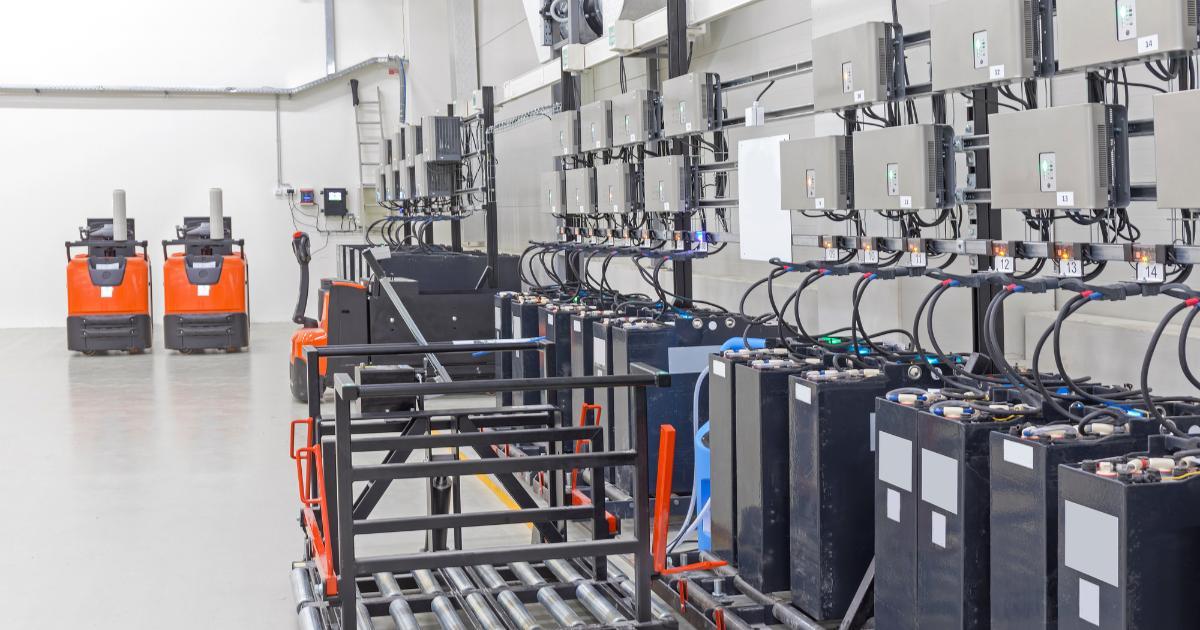
7. Charging Station Safety
Battery charging stations tend to get overlooked during safety walkthroughs because they’re not dramatic. But improper handling of industrial batteries creates real fire, burn, and chemical exposure risk. Charging areas that double as storage space are accidents waiting for an ignition source.
- Keep charging areas clear: No clutter. No flammable materials. This one requires enforcement, not just signage.
- Regular equipment inspection: Frayed cables and corroded connectors don’t announce themselves until it’s too late.
- PPE when handling batteries: Gloves and goggles. Required, not optional.
- Spill and leak response training: Specific to the battery chemistry in your facility — not a generic hazmat rundown.

8. Material Storage Safety
Falling materials are a leading cause of warehouse injuries. They’re also one of the most quietly preventable.
The failure usually isn’t a freak accident, it’s a pallet that was loaded wrong, a shelf that was overloaded, or a walkway that was clear last week and hasn’t been checked since.
- Heavy items on lower shelves: Always. The physics of a top-heavy shelving unit falling don’t leave a lot of room for exceptions.
- Safety bars on shelving: Prevent items from sliding off. Inexpensive relative to the alternative.
- Pallet loading standards: Weight distribution and height limits should be trained, not guessed at.
- Walkway enforcement: “Keep aisles clear” can’t be a suggestion. Make it a rule with actual follow-through.
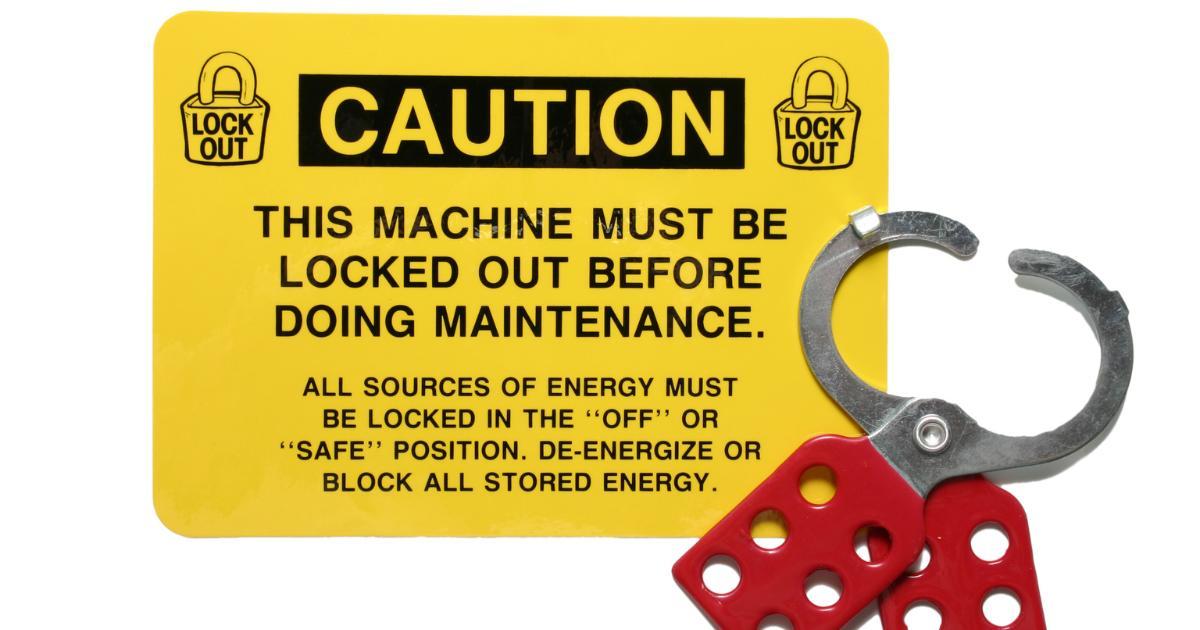
9. Lockout/Tagout (LOTO) Procedures
LOTO violations are serious enough that OSHA puts them on the most-cited list nearly every single year. Contact with energized equipment during maintenance causes some of the most catastrophic injuries in warehouse and manufacturing settings (think amputations, electrocutions, crush injuries).
These procedures work. The problem is that they require everyone to follow them every time, and shortcuts feel harmless until they aren’t.
- Train everyone, not just maintenance: Anyone who might service or work near equipment needs to understand LOTO, not just the tech who fixes it.
- Lockout devices and tags, every time: No “quick fix” exceptions. The fastest way to undermine LOTO culture is to let one exception slide.
- Regular compliance audits: Inspect the process, not just the paperwork.
- Zero tolerance for bypassing safeguards: Put it in writing. Make the consequences clear.
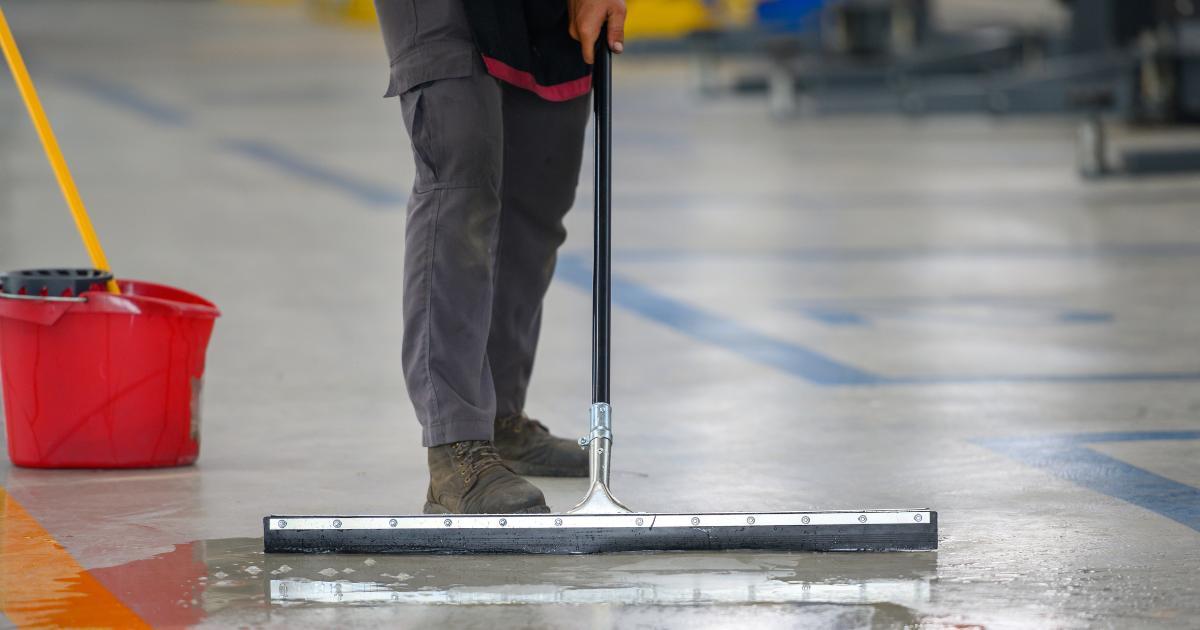
10. Slips, Trips, and Falls
The most common warehouse injury category is also the one that feels the most mundane — until someone tears a ligament on a wet floor that had been wet for three hours before anyone put a cone near it.
Slip and fall prevention isn’t glamorous. It’s mostly about whether the habits are there or not.
- Non-slip flooring: In high-traffic and high-spill-risk areas. Worth the investment.
- Spills get cleaned up immediately: Not “when someone has a minute.” Immediately. Build the culture around it.
- Adequate lighting: Throughout the facility, including dock areas and aisle ends where lighting is often an afterthought.
- Regular inspections: Catch hazards on a schedule before they become incidents.
How to Build a Warehouse Safety Program
A safety program isn’t a binder on a shelf that gets pulled out when OSHA shows up. It’s a set of living practices — training, accountability, documentation, and follow-through — that actually reduces risk over time.
The difference between a workplace with a good safety record and one without it is usually less about equipment and more about whether the program is real or performative. Here’s what a functional program looks like:
Written Safety Policies
Document your rules, procedures, and expectations clearly. If it’s not written down, it’s not a policy.
Hazard Assessment Process
Regular walkthroughs to identify and document risks before they end up in an incident report.
Onboarding Safety Training
New and temporary workers should receive safety orientation before their first shift — covering your facility’s specific rules, equipment, and emergency procedures.
Ongoing Training Schedule
Safety training isn’t a one-time event. OSHA recommends refresher training when procedures change, after incidents, and at regular intervals.
Incident Reporting System
Make it easy and expected to report near-misses and hazards, not just recordable injuries. Near-misses are free warnings.
Accountability Structure
Supervisors need to model and enforce safety standards. Safety compliance should be part of performance expectations at every level.
Equipment Inspection Records
Maintain documented pre-shift inspection logs for forklifts and other powered equipment.
Part of establishing a strong program is defining the non-negotiable rules your facility operates by, and communicating them clearly to every person who walks through the door.
Here’s a framework for the rules employers should set and enforce:
Rules & Expectations to Set for Your Warehouse Team
- PPE requirements by zone: define which areas require what, and make it non-negotiable.
- Equipment authorization: only trained, certified workers operate powered industrial trucks or machinery.
- Hazard reporting: employees must report risks immediately; managers must act on them.
- Walkway and exit clearance: aisles and emergency exits stay clear at all times.
- LOTO compliance: lockout/tagout procedures are followed every time, without shortcuts.
- Lift weight thresholds: define the limit at which a mechanical assist is required.
- No running policy: enforce it consistently, not just after an incident.
- Pre-shift inspections: equipment is checked before use, and issues are logged and reported.
- Chain of command for safety concerns: workers should know exactly who to go to and expect a response.
Bonney Staffing’s team includes members with OSHA-10 General Industry workplace safety training. As part of every client partnership, we conduct an introductory safety assessment before finalizing the relationship, followed by quarterly check-ins. It’s a collaborative process focused on creating a safe environment for our placed employees. It’s not an inspection; it’s a shared commitment to making sure everyone goes home safe.
Warehouse Safety Tips for New and Temporary Workers
Temporary and new workers get injured at disproportionately high rates, and it’s not because they’re careless. It’s because they don’t know the building yet.
They don’t know which aisle the forklift cuts through at 7:15. They don’t know the dock door on the south end has a blind spot. They don’t know what they don’t know, and nobody told them.
That’s an employer problem, not a worker problem. Here’s how to close the gap:
- Day-one safety orientation: Cover emergency exits, hazard zones, PPE requirements, and reporting procedures before the first shift starts.
- Buddy system for the first week: Pair new workers with experienced teammates who know the facility, and explicitly ask them to flag safety questions.
- Start with lower-risk tasks: Give new workers time to learn the space before putting them on heavy equipment.
- Check in early and often: New workers won’t always raise concerns on their own, especially temp workers who don’t want to seem difficult. Supervisors need to ask.
Warehouse Safety Meeting Topics
The most effective safety meetings are short, specific, and tied to something that’s actually happening on the floor, not a generic rundown from a slide deck made in 2016. Ten minutes on one real topic beats an hour of compliance theater.
If you’re looking for a rotation, here are 10 toolbox talk topics that tend to actually land in warehouse environments:
Toolbox Talk Topics for Warehouse Teams
- Forklift and pedestrian interaction: who yields, when, and how
- Proper manual lifting technique and when to use a mechanical assist
- LOTO procedures: step-by-step walkthrough for your equipment
- Recognizing and reporting near-misses before they become incidents
- Slip, trip, and fall prevention: housekeeping habits that matter
- PPE requirements by zone: which areas require what, and why
- Loading dock safety: protocols for working around trucks
- Hazardous material identification and spill response
- Ergonomics: positioning, movement, and repetitive task breaks
- Emergency response: exits, evacuation routes, and first aid locations
Rotate these topics monthly. Revisit high-incident areas more often. And if something nearly went wrong last week, that’s your next topic. Real examples are worth ten hypothetical ones.
Stronger Safety Starts Before Day One
The most dangerous moment in a warehouse isn’t when something breaks. It’s when a worker who doesn’t know your facility yet encounters a hazard nobody prepared them for.
Bonney Staffing specializes in warehouse and distribution staffing across Maine and New Hampshire. Our team’s OSHA-10 General Industry training means we’re looking at job sites with a safety-informed eye, and we prioritize placing workers who understand and respect safety protocols, not just workers who can fill a role quickly.
If you’re building a safer warehouse operation and want a staffing partner who takes that seriously, let’s talk.
Warehouse Safety FAQs
What are the most common warehouse injuries?
Strains and sprains from manual lifting top the list consistently. After that: struck-by incidents involving forklifts or falling materials, slips and falls on wet or cluttered floors, and injuries from contact with machinery or energized equipment. Overexertion from repetitive lifting is the leading cause of lost-time injuries in distribution environments.
How often should warehouse safety training be conducted?
OSHA doesn’t set a universal frequency, but the floor is this: onboarding training for every new and temporary worker, refresher training when procedures or equipment change, and safety meetings at least monthly for ongoing awareness. After any recordable incident, retraining in the relevant area isn’t optional.
What PPE is required in a warehouse?
It depends on the hazards present, but most warehouse environments require safety footwear (steel-toed boots) and high-visibility vests in forklift zones at minimum. Additional PPE — gloves, safety glasses, hard hats, hearing protection — comes down to specific exposure. OSHA 1910 Subpart I governs PPE requirements for general industry.
How do you create a warehouse safety program?
Written policies, a hazard assessment process, new-hire and ongoing training, an incident reporting system, equipment inspection records, and an accountability structure that actually gets enforced. Review and update it annually, and any time operations change significantly.
What is the OSHA standard for warehouse safety?
Warehouses operate primarily under OSHA’s 1910 General Industry standard. The subparts that come up most often in warehousing: 1910.178 (forklifts), 1910.147 (lockout/tagout), 1910.1200 (hazard communication), and 1910.23 (walking-working surfaces). If any construction activity is involved, 1926 Construction standards apply to those areas.
Are temporary workers more likely to be injured in warehouses?
Yes, and the research backs it up. NIOSH and OSHA data consistently shows temp workers are injured at higher rates than permanent employees. The root cause is almost always unfamiliarity with the specific facility, not a difference in the workers themselves. Employers are responsible for the safety of temp workers in their facilities regardless of employment relationship. Onboarding and ongoing supervision aren’t optional just because someone came through an agency.